
Book Deep Dives

Not your regular book club: Join us for three live sessions to dive deeper into the book’s main lessons and apply them in your daily work!
- Go deeper with a practitioner featured in the chapter
- Work through the book’s reflection questions together
- Apply the ideas to your real ecosystem and challenges
REGISTRATION CLOSED
Three live working sessions that take It Takes a Valley off the shelf and into your ecosystem.
If you're anything like me, you finish a good chapter, underline half of it, and go back to a full inbox. Each practitioner chapter of It Takes a Valley ends with an Ideas-to-Action section. That's where the book starts paying off, and you know you won't do them on your own. So I'm inviting you to do them together!
How a session works
Each session runs 90 minutes on Zoom and follows the same shape:
- A practitioner featured in the chapter joins us to go deeper on the story behind it.
- We work through the chapter's exercises together.
- You apply them to a real challenge in your ecosystem, alongside other ecosystem builders.
The three sessions
October 19: Managing Conflict in Ecosystem Building
When tension surfaces between partners, the instinct is to label it as dysfunction. I argue that conflict signals that people care deeply. We'll focus on the question: what does this disagreement reveal about what people value, fear, or hope for?
You'll practice naming a disagreement neutrally, asking each side what outcome they are trying to protect, and reflecting back what you hear before moving to solutions. Bring one tension from your own ecosystem.
November 2: How to Tell Stories When You're Not a Storyteller
Before you publish your next report, host your next event, or pitch your next initiative, ask what you want people to feel, believe, and remember.
You'll anchor your message in one founder story, turning point, or difficult decision, and pair it with data without hiding the human behind the headline. You'll leave with a story tangible enough that someone can picture it and repeat it. Bring a report, event, or pitch you have coming up.
November 16: Taking Care of the Builder
Healthy ecosystems are built by people who tend their own reserves with the same intentionality they bring to their communities.
We'll start your personal energy audit together: three months of your calendar sorted into work that energized you, work that drained you, and work that felt neutral but necessary. You'll choose one draining activity to delegate, redesign, or sunset within the next quarter. Then you'll name the three to five people who have your permission to tell you when you are overextended.
The details
- Dates: October 19, November 2, and November 16, 2026
- Time: 12:00 to 1:30 pm ET
- Where: Zoom (session recordings will be available until Dec 31, 2026)
- Price: $130 for the full series of three sessions
REGISTRATION CLOSED
Bring me in to speak
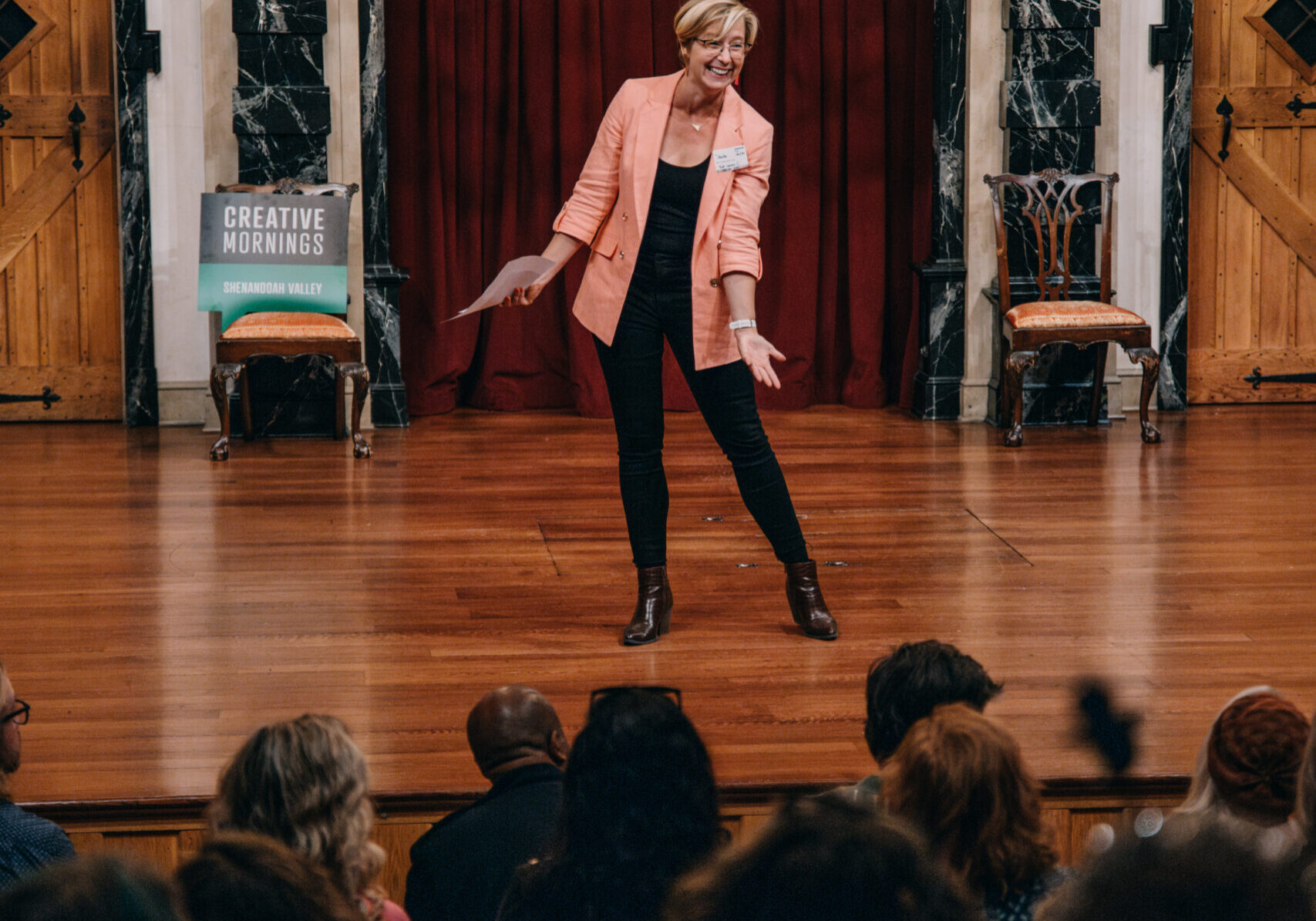
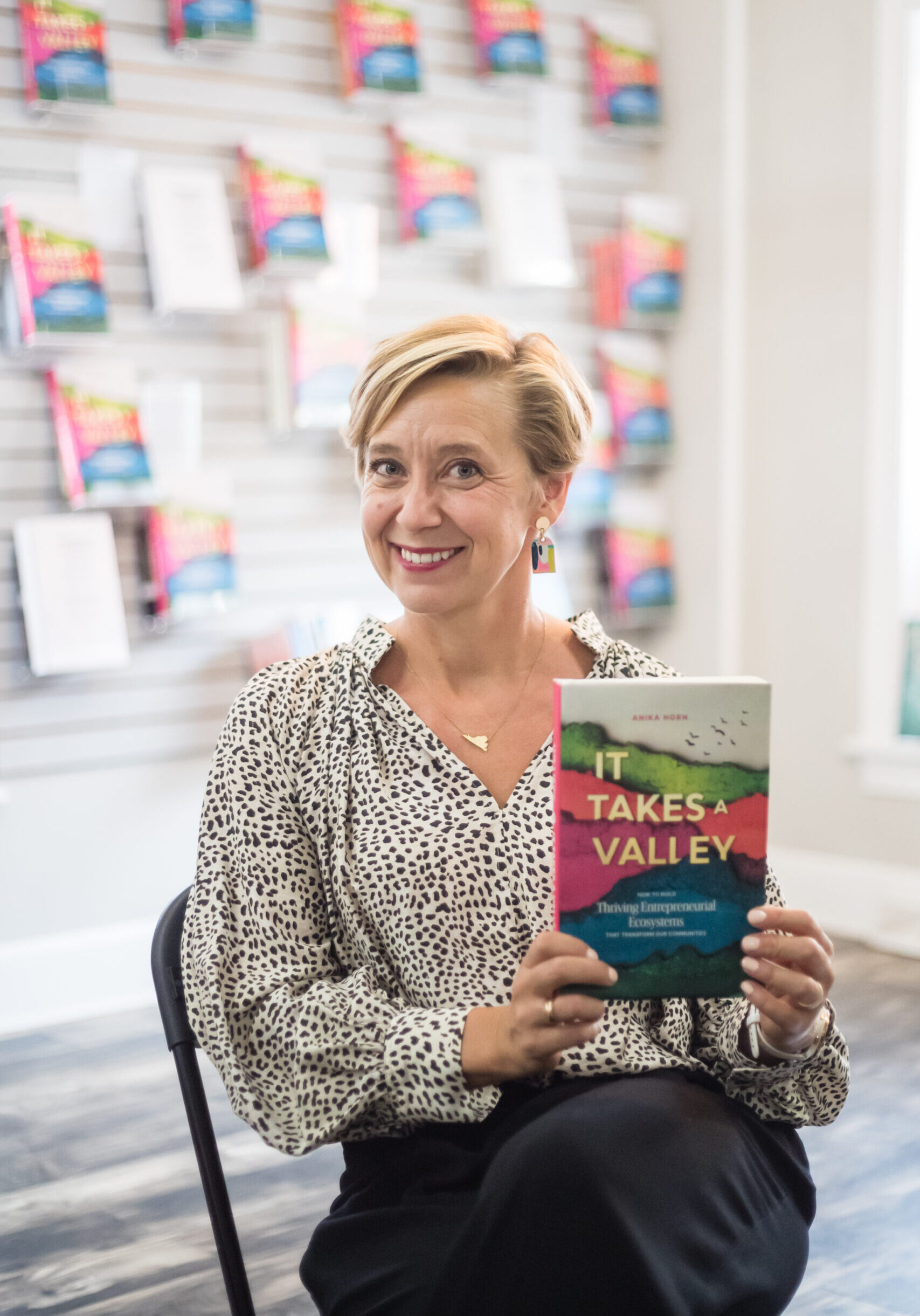
I bring the stories, lessons, and hard-won realities of entrepreneurial ecosystem building to the stage, grounded in the ideas featured in It Takes a Valley.
The Ecosystem Visit
You can’t be a prophet in your own land
There's an old idea that a prophet is never accepted in their own land. Most ecosystem builders live this every day. You can do the work for years, build the relationships, produce the results, and still watch a mayor's office or a community foundation take a visiting consultant's word over yours on the exact same point. If this sounds like you, I want to help. Distance manufactures credibility that proximity never gets credit for. My visit and book talk are designed to transfer some of that legitimacy to you and the work you’re already doing.
Some of you don't need an outside advocate; you've already got the standing, and you'd simply like the book (and the fact that some of you are in it) to be part of something you're already running. And some of you want a third set of eyes: someone who's spent a decade watching ecosystems from the outside, who can walk through yours, tell you what they see, and help you make the case to the stakeholders who still aren't convinced this work matters.
Who this is for
You need an advocate.
You're doing the work, but local credibility hasn't caught up to it yet. You want an outside voice, backed by a book and a decade in the field, to make your case to stakeholders in a way they'll actually hear.
You already have standing and want to bring the book in.
You're running an entrepreneurship summit, an ecosystem convening, an economic development meeting, a strategic planning session, and the book (and maybe your own story in it) would be a good fit for what you're already building.
You want an outside read.
You want me to come observe, talk to a few of the stakeholders who still don't buy into the ecosystem approach, and tell you honestly what I see: what's working, what isn't, and where the gaps are.
Whichever of these fits, the visit itself follows the same shape. What we spend the time on shifts depending on why you brought me in. This is not a paid speaking engagement. It's a trade: you cover my costs to be there; I show up and do everything I can while I'm in town to strengthen your standing.
What you provide
- Travel and accommodation for me to be in your city, plus a per diem to cover meals and incidentals while I'm there
- A minimum pre-order of 25 books, or more if your expected turnout is higher, plus shipping
- Coordination with your local partner(s) on the panel question, panelist list, and guest list (you decide who's in the room)
- Introductions to the stakeholders you want me to meet: community foundation, mayor's office, economic development office, local funders, whoever needs convincing
What I provide
- A moderated 45-minute public panel conversation on your local ecosystem, built in the same format as my book launch events
- 2-3 one-on-one or small-group meetings with stakeholders you name, as time permits, where I speak to your role and your track record in the context of a field I've been documenting since 2015
- Informal time (dinner, coffee, a walk) with whoever you think should have unstructured access to me while I'm there
- A book on hand to point to. It doesn't do the convincing by itself, but it gives the meeting a reason to happen and gives me a credential to lean on when I vouch for you
Bonus add-on: Ecosystem Roadmap Session ($950)
Since I'm already there, you can add a 2-hour in-person Ecosystem Roadmap Session (normally 90 minutes) where I assess your ecosystem directly: what's working, what's fragmented, and what I'd prioritize next if I were in your seat. This is the deeper, structured version of "what I see and what we discuss," for communities who want more than informal observations.

What I need from you
- A 30-minute pre-call where we talk through the angle for the panel or session, the central questions or concerns you want addressed, and who the key stakeholders are, so I walk in prepared
- 8 to 12 weeks of lead time, so we can build the panel properly and so any stakeholder meetings can actually get on calendars
- A signed contract that includes your minimum book order, in place before event planning starts
- A dedicated local partner who will co-develop the panel question and own local logistics, the same role Chris, Peirce, and the Lighthouse/Startup Champions team are playing in Staunton, Harrisonburg, and Richmond
- Clarity on who you most need in the room when I meet with stakeholders, so that time is spent well
How this gets scheduled
I review invitations as they come in and talk with each community before committing to a date. I want to make sure this is a good fit for both of us and that I can actually be of value to your community, not just show up.
Once we agree it's a fit, we lock the date with a signed contract covering the book order, and planning starts from there. Between October 2026 and May 2027, I'm taking a maximum of two of these a month, so a good fit for both of us still might not mean an immediate date.
Why I'm doing it this way
I'm curious to tour and experience your ecosystem from the inside. After over a decade in the field, I'm keen to share what I've learned from other ecosystems and help you get the recognition and support you deserve for this work. I want to see what you're working on, what you're struggling with, what you're proud of, and what's next for you and your community.
